
What Is Swing Jazz?
Swing jazz is a style of jazz music that emerged in the early 20th century, known for its strong rhythmic groove, flowing momentum, and emotional sense of movement.
It is built around a distinctive “swing feel,” where the rhythm is slightly relaxed and uneven in a way that creates a natural sense of lift and dance. At its heart, swing jazz is not only a musical structure but a living expression of joy, community, and storytelling through sound.
Introduction: When Jazz Learns to Dance
There is a moment in swing jazz when time itself feels different. The beat doesn’t just move forward; it breathes. It leans forward and then gently pulls back, like a conversation between musicians who understand each other without needing to speak.
That is the essence of swing jazz.
To understand what is swing jazz, we have to listen beyond technique and into emotion. This is music born in a time of transformation, where communities found joy, resistance, and connection through rhythm. And even today, swing continues to carry that same heartbeat; warm, expressive, and deeply human.
In this article, we’ll explore the history, rhythm, and emotional style behind swing jazz music, and why it still feels so alive in modern listening spaces.
The Origins of Swing Jazz: A Movement of Expression
Swing jazz emerged in the United States during the late 1920s and reached its peak in the 1930s and 1940s. It grew out of earlier jazz forms like New Orleans jazz and big band traditions, evolving into a more structured yet deeply expressive sound.
Large orchestras—often called big bands; became the heart of swing. These ensembles brought together sections of brass, woodwinds, and rhythm instruments in a way that felt both powerful and fluid.
But swing was never just about arrangement. It was about feeling.
Musicians began to emphasize groove and flow over strict timing. This shift created a sound that felt alive, almost conversational. Instead of rigid beats, swing introduced elasticity; what we now recognize as the signature swing jazz rhythm.
The Rhythm That Breathes: Understanding Swing Feel
At the core of swing jazz lies its rhythmic identity.
Unlike straight rhythm, where beats are evenly divided, swing rhythm slightly stretches and compresses time. Notes are played in a long-short pattern, creating a gentle push and pull that gives the music its unmistakable sway.
This is what makes listeners tap their feet without even realizing it. The rhythm invites movement, but not urgency. It feels natural, like walking through memory rather than marching through time.
Musicians often describe swing as something that cannot be fully written down; it must be felt. And that is where its magic lives.
In many ways, swing jazz rhythm mirrors human emotion: unpredictable, expressive, and beautifully imperfect.
Musical Storytelling: Jazz That Speaks Without Words
Swing jazz is not just about rhythm or harmony. It is about storytelling.
Every instrument has a voice. A trumpet might sound like laughter rising above a crowded room. A saxophone might feel like a quiet confession at midnight. The rhythm section holds it all together like a steady heartbeat, grounding the emotional flow.
Improvisation plays a central role here. Musicians respond to one another in real time, shaping each performance into something unrepeatable. No two versions of a swing piece are ever truly the same.
This is where jazz becomes love expressed through music; spontaneous, honest, and deeply connected.
It is also why swing continues to resonate with listeners who are not just looking for sound, but for feeling.
Common Misunderstandings About Swing Jazz
One of the most common misconceptions is that swing jazz is only “big band music” or something purely historical. While big bands were central to its rise, swing is not confined to a specific era or ensemble size.
Another misunderstanding is that swing is rigid or overly structured. In reality, it is quite the opposite. Beneath its polished arrangements lies a flexible, breathing rhythm that allows musicians to explore emotion freely.
Some also assume swing jazz is only meant for dancing. While it certainly inspires movement, its emotional depth makes it equally powerful in quiet, reflective listening.
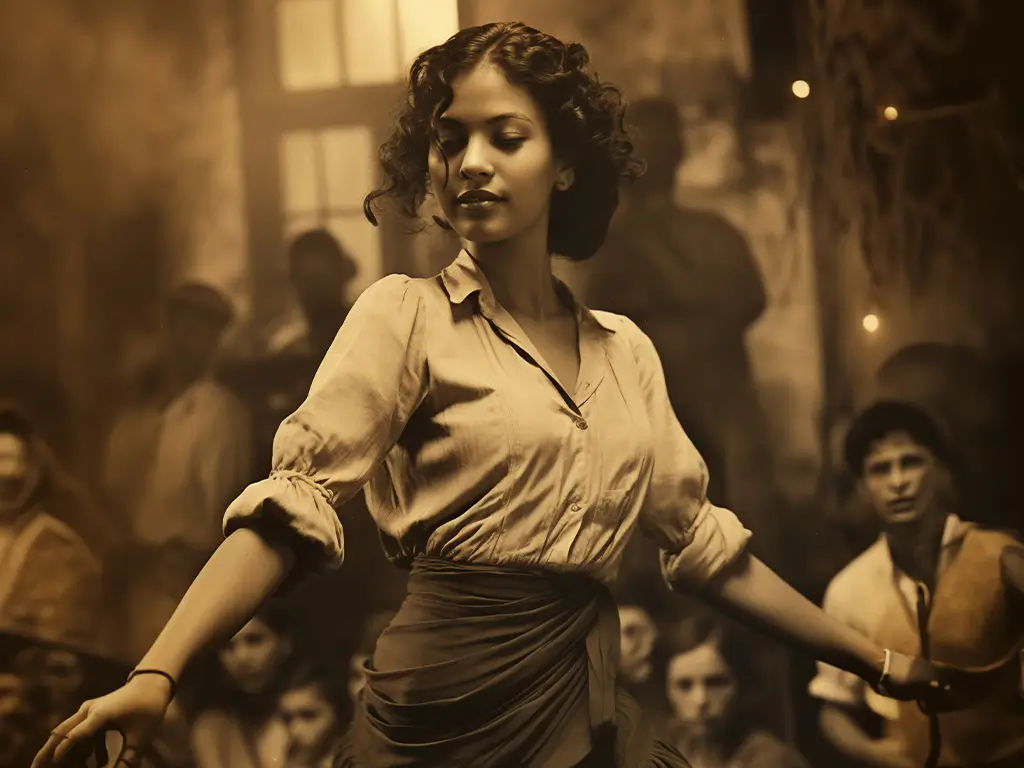
The Emotional Landscape of Swing
What makes swing jazz endure is not just its musical design, but its emotional honesty.
There is joy in its rhythm, but also longing. There is elegance, but also raw expression. It can feel like sunlight in a crowded room or a soft memory you can’t quite name.
This emotional duality is what makes it timeless.
Listeners often find themselves drawn to swing during moments of reflection or comfort. It becomes a companion rather than background noise; something that listens back in its own way.
In this sense, swing jazz is less a genre and more a shared emotional language.
Influences and Evolution
Swing did not remain static. Over time, it influenced bebop, modern jazz, and even contemporary fusion styles. While bebop moved toward faster tempos and more complex improvisation, swing maintained its focus on groove and accessibility.
Today, elements of swing can be heard in film scores, lounge music, and modern reinterpretations of jazz standards. Its influence continues quietly, woven into the fabric of musical storytelling.
Notable Voices and Interpretations
Throughout jazz history, many artists have shaped the emotional identity of swing. Vocalists and instrumentalists alike have brought their own interpretation to the style, each adding new shades of expression.
For readers who want to explore further, you might enjoy discovering some of the most influential voices in jazz history, including reflections on the legacy of the Who is the Queen of Jazz? conversation, which continues to spark admiration and debate among jazz lovers.
You can also explore beautifully curated listening experiences like Best Jazz Songs for Sleep, where swing-inspired melodies often appear in softer, more atmospheric forms.
And for those curious about vocal artistry, searching for the depth and emotion behind the best female jazz singer reveals how swing influences continue to shape vocal performance today.
Why Swing Still Matters Today
In a fast-paced world, swing jazz offers something rare: presence.
It invites listeners to slow down; not by stopping time, but by experiencing it differently. The rhythm encourages attention, the improvisation encourages openness, and the emotion encourages connection.
Even modern listeners who discover swing through playlists or film soundtracks often describe the same feeling: warmth, nostalgia, and an unexpected sense of grounding.
Swing jazz music remains relevant because it is not trying to be modern or nostalgic. It simply is.
FAQ: What People Also Ask
What makes swing jazz different from other jazz styles?
Swing jazz is defined by its rhythmic “swing feel,” where timing is relaxed and fluid. This creates a natural groove that distinguishes it from more rigid or complex jazz forms.
Is swing jazz still popular today?
Yes. While it is not mainstream in the commercial sense, swing jazz remains widely appreciated in jazz communities, film scores, and curated listening experiences.
Can swing jazz be used for relaxation?
Absolutely. Many listeners find swing jazz calming due to its steady rhythm and warm tonal qualities, making it suitable for relaxation and focus.
Is swing jazz only instrumental?
No. Swing jazz includes both instrumental and vocal performances, with singers playing a major role in shaping its emotional storytelling.
How is swing jazz related to modern music?
Many modern genres borrow from swing’s rhythmic structure and improvisational spirit, especially in jazz fusion and cinematic music.
Closing: Where Rhythm Becomes Connection
Swing jazz is not only something we listen to. It is something we feel moving through us; like memory set to rhythm, like emotion given permission to breathe.
It reminds us that music is not just structure or sound, but connection. Between musicians. Between moments. Between people who may never meet but still understand the same language of feeling.
And in that shared space, swing continues to live; not as history, but as a presence. Jazz, at its deepest level, is love in motion.

