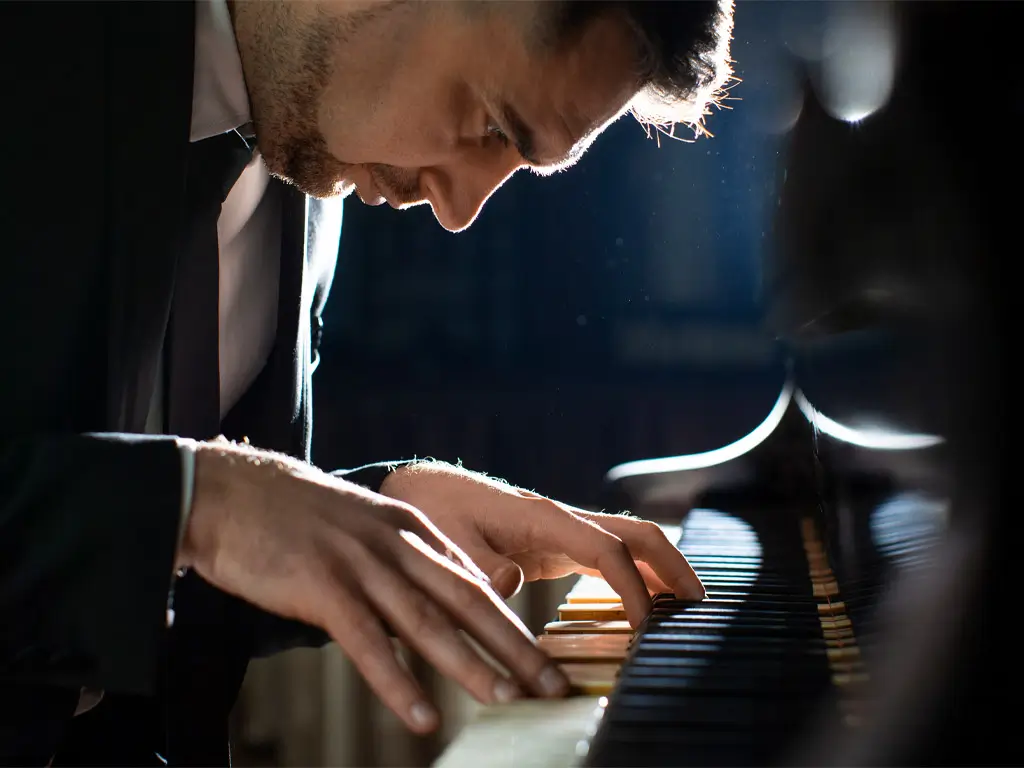
Best Jazz Movies: The Movies That Brought Jazz, Love, and Soul to the Screen

What is it about jazz movies that stays with us long after the final scene fades? Whether it’s the sound of a trumpet echoing through a late-night city or a piano underscoring a quiet moment of love, jazz has a rare ability to turn film into feeling.

The best jazz movies don’t just feature music; they use jazz as an emotional force. These films explore love, struggle, freedom, memory, and identity through rhythm and improvisation. 

In this guide, we explore the best movies about jazz, why they resonate so deeply, and how jazz films continue to shape cinematic storytelling today.

What Are the Best Jazz Movies?

The best jazz movies are films that use jazz to drive emotion, character development, and atmosphere. Rather than acting as background music, jazz becomes part of the story; expressing love, conflict, freedom, and soul in ways dialogue alone cannot.

What Defines a True Jazz Movie?

More Than Music in the Background

Not every film with jazz qualifies as a jazz movie. The best jazz films share a few defining traits:

  • Jazz influences the emotional tone of the story
  • Characters are shaped by music, rhythm, or performance
  • Improvisation mirrors personal struggle or freedom
  • Music and narrative evolve together

In these films, jazz is not decoration; it is storytelling.

Read more: Why Vocal Phrasing Matters

Why Jazz Works So Powerfully on Screen

The Emotional Language of Jazz

Jazz is built on expression, tension, and release; the same elements that drive great cinema. When filmmakers use jazz, they tap into:

  • Emotional vulnerability
  • Romantic intimacy
  • Cultural memory
  • A sense of timelessness

This is why jazz movies often feel more personal and reflective than films driven by traditional scores.

Best Jazz Movies That Shaped Cinema

Films Where Jazz Became the Soul of the Story

The best jazz movies span decades and styles, but they all share one thing: jazz shapes how the story feels, not just how it sounds.

These films often explore:

  • Love found and lost
  • The cost of artistic freedom
  • Identity and self-expression
  • Life lived between structure and spontaneity

Rather than listing films mechanically, what defines the best movies about jazz is how deeply music and emotion are intertwined.

Love and Romance in Jazz Films

Why Jazz and Love Belong Together

Jazz and romance share the same emotional DNA; anticipation, tension, intimacy, and vulnerability. That’s why so many best jazz films use jazz to underscore love stories that feel real rather than idealized.

In jazz movies:

  • Romance unfolds slowly and honestly
  • Silence matters as much as sound
  • Emotion is suggested, not explained

This makes jazz films especially resonant for audiences who value emotional depth over spectacle.

Read more: Finding Your Voice

How Jazz Movies Reflect Artistic Struggle

The Price of Expression

Many best jazz movies focus on the tension between creativity and sacrifice. These films explore:

  • The pressure to succeed
  • The loneliness of artistic life
  • The conflict between passion and stability

Jazz becomes a metaphor for freedom and for the risks that freedom demands.

Are Jazz Movies Still Relevant Today?

Jazz Films in Modern Cinema

While many iconic jazz movies come from earlier eras, modern filmmakers continue to return to jazz for its emotional honesty. Contemporary jazz movies often use the genre to:

  • Add warmth to modern storytelling
  • Create contrast with fast-paced visuals
  • Explore identity and ambition

Jazz remains relevant because human emotion hasn’t changed; even if filmmaking tools have.

Common Misconceptions About Jazz Movies

“Jazz Movies Are Only for Jazz Fans”

One of the biggest myths is that you need to love jazz to enjoy jazz films. In reality, the best movies about jazz resonate because they are about people, not just music.

best movies about jazz

“Jazz Films Are Slow or Dated”

While many jazz films are reflective, that doesn’t mean they lack intensity. Emotional tension often replaces action; making the experience richer, not weaker.

How Jazz Movies Influence Live Performance and Culture

From Screen to Stage

Jazz movies don’t just reflect music culture; they shape it. Many listeners first connect with jazz through film, then seek deeper experiences through live performance.

Jazz films help audiences understand:

  • The emotional stakes of live music
  • The connection between performer and listener
  • Why jazz is meant to be felt, not just heard

This bridge between cinema and live performance keeps jazz culture alive and evolving.

How to Choose the Best Jazz Movies for You

What to Look For as a Viewer

If you’re exploring best jazz movies for the first time, consider what draws you in:

  • Love stories: look for jazz-driven romance
  • Character studies: choose artist-centered films
  • Emotional escape: atmospheric, music-led narratives

The best jazz films meet you where you are emotionally.

Read more: What Makes Jazz Timeless?  

FAQ: People Also Ask About Jazz Movies

What are the best jazz movies of all time?

The best jazz movies are films where jazz shapes emotion, character, and story; not just the soundtrack.

Are there modern movies about jazz?

Yes. Many contemporary films continue to explore jazz as a symbol of ambition, identity, and emotional truth.

Do jazz movies focus only on musicians?

Not always. While some center on performers, others use jazz to reflect mood, setting, or emotional transformation.

Why is jazz so common in romantic films?

Jazz naturally conveys intimacy, tension, and emotional nuance, making it ideal for love stories.

Are jazz films based on real stories?

Some are inspired by real lives or historical moments, while others use jazz symbolically to explore universal themes.

Why Jazz Movies Still Matter

The best jazz films remind us that stories don’t need to be loud to be powerful. Through rhythm, silence, and improvisation, jazz movies create space for emotion, reflection, and connection.

They invite us not just to watch; but to listen.

Artists like Sharon Marie Cline continue this tradition by bringing the emotional storytelling of jazz—so often celebrated in film—into live performance, where music and audience connect in real time.

Beginner Jazz Songs: Soulful Picks for Piano, Guitar & Alto Saxophone

The best jazz songs for beginners balance simple structure with strong emotional phrasing. For piano jazz songs for beginners, start with slow swing and clear melody. 

Jazz songs for beginners guitar should include gentle chord progressions and movable shapes. For beginner jazz songs for alto saxophone, pick tunes with lyrical breathing room and uncomplicated scale patterns. These songs guide technique while keeping the soul at the center of every note.

Introduction

When a beginner musician searches for jazz, the question behind the question is always the same:

“Which songs help me learn jazz without losing the heart of it?”

Jazz, at its core, is love shaping rhythm, melody shaping confidence, and practice shaping truth. Beginners don’t need complexity; they need connection. They need songs that hold their hand musically while encouraging them to step forward with gentle rhythmic independence.

In this guide, you’ll discover the most welcoming beginner jazz songs and instrument-friendly picks for piano, guitar and alto saxophone. The goal is not perfection, but presence. Not imitation, but authenticity. Not rushing, but absorbing the rhythm like a conversation shared between musician and melody.

Let’s begin where all jazz begins; with openness and pulse.

Read more: Jazz Music History

What Jazz Does for Beginners (A Real Overview)

Jazz isn’t just a genre. It’s an emotional ecosystem with relationships between harmony, time feel, phrasing, listening skills, muscle memory, and personal expression. Beginners step into jazz most successfully when the songs they choose offer:

  • Predictable architecture: verse-like melodies, clear emotional center, and recognizable rhythmic cycles
  • Usable harmony: progressions that don’t overload theory-learning capacity
  • Improvisation space, not improvisation pressure: fewer notes, longer sustain, kind tempos
  • Rhythmic grounding: simple swing, blues pulse, or bossa-jazz patterns
  • Melodic leadership: a vocal or instrumental line that is confident, lyrical, and easy to echo
  • Beautiful phrasing lessons: tone, breath, articulation, slides, gentle accents, expressive pauses

For beginners, a song becomes a teacher. The melody becomes a mentor. The rhythm section becomes a heartbeat. This is how jazz builds confidence; softly, steadily, soulfully.

Piano Jazz Songs for Beginners; Where Fingers Learn to Breathe

For piano learners, jazz is often introduced through straightforward swing melodies, basic broken-chord shapes, spacious improvisation, and progressions where the left hand walks without anxiety.

One of the most beloved starter songs is “Autumn Leaves”—not because it’s easy, but because it’s patient. Its melody feels like a fall breeze talking to your hands. The structure helps students recognize major vs minor shifts, 2-5-1 resolution, and phrasing dynamics—all without haste.

Ideal beginner piano jazz targets:

  • Learn 2-5-1 chord flow in both major and minor
  • Build left-hand stride basics or slow walking comp
  • Practice lyrical phrasing and rubato-like breathing
  • Use natural minor, melodic minor, or pentatonic scales for solo fragments
  • Stay between 70–100 BPM for emotional absorption

Beautiful beginner piano-friendly songs:

  • “Misty” – Erroll Garner: slow, emotional, long sustain phrases
  • “Blue Monk” – Thelonious Monk: playful blues with simple solo shapes
  • “Fly Me to the Moon (Jazz Piano Version)”: clear melody, beginner phrasing
  • “Autumn Leaves (Slow Student Version)”: common beginner workbook standard
  • “Someday My Prince Will Come (Beginner Jazz Inspiration Version)”: gentle waltz swing feel

When you practice these songs, imagine the piano speaking back to you. Pause where it pauses. Emphasize emotion where it leans. Jazz on piano isn’t played—it’s spoken through keys.

Read more: What Makes Jazz Music Unique?

Jazz Songs for Beginners Guitar; When Strings Learn to Converse

Beginner jazz guitarists search most for songs that help them with chords, shapes, and scale-friendly improvisation zones that move on the fretboard with ease.

One of the most common problems new jazz guitarists face is:

“How do I learn jazz chords without getting stuck?”

The answer lives in songs that lend themselves to movable chord forms, beginner-friendly harmony, clean tempo, and minimal pressure on bar-by-bar complexity.

Beginner jazz guitar targets:

  • Learn 7th chords using E and A root shapes
  • Practice walking bass fragments by alternating roots & 5ths
  • Solo using minor/major pentatonics, Mixolydian, or beginner-friendly bebop patterns in tiny fragments
  • Feel gentle swing at 85–115 BPM
  • Use slides, muted rhythm, and space—not speed

Best beginner jazz songs for guitar:

  • “Summertime (Jazz Guitar Study Version)” – Porgy and Bess standard
  • “So What (Beginner Guitar Mode Version)” – Miles Davis inspiration study
  • “Blue Bossa (Guitar Student Edition)” – Kenny Dorham
  • “Ain’t Misbehavin’ (Guitar Swing Version)” – Fats Waller classic
  • “Cantaloupe Island (Beginner Guitar Groove)” – Herbie Hancock
  • “All of Me (Jazz Guitar Starter Version)” – popular student pick

Jazz guitar is never about filling every bar. It’s about letting every bar feel honest.

Let a beginner jazz song teach your fingers how to fall into place gently, like dancers who find their step without being told.

Beginner Jazz Songs for Alto Saxophone; The Art of Breath and Poetic Space

For alto saxophone beginners, one question shows up repeatedly online:

“Which jazz songs help me learn phrasing and scales without running out of breath or confidence?”

The ideal sax beginner song feels like a low-stakes dialogue; built on simple patterns such as minor pentatonic, blues scale, or accessible modal fragments, with room for breath inside each line.

piano jazz songs for beginners

Beginner saxophone jazz targets:

  • Stay melodic, not mechanical
  • Solo using A minor blues, F major pentatonic, or D Dorian fragments
  • Feel swing in the tongue and breath, not mind
  • Embrace spacious note choices and soft articulation

Best beginner jazz songs for alto saxophone:

  • “Careless Whisper (Alto Jazz Practice Version)” – phrasing exercise inspiration
  • “Songbird (Sax Jazz Student Version)” – Kenny G beginner melodic inspiration
  • “Equinox (Beginner Alto Modal Study)” – John Coltrane
  • “Mercy, Mercy, Mercy (Alto Sax Learner Groove)” – Cannonball Adderley
  • “Summertime (Alto Sax Starter Lines)”
  • “Take Five (Alto Study Version)” – 5/4 phrasing for confident beginners when slowed down
  • “At Last (Alto Jazz Phrasing Edition)” – Etta James

A beginner sax artist dances with breath more than instrument. The song should give back as much as it takes. The phrasing should exhale where your lungs do.

Read more: Jazz: The Music of Love

Common Concerns & Misconceptions (SEO-friendly, non-hype)

1. Do beginners need to master jazz standards first?

Not necessarily. Jazz standards help, but beginners thrive most when songs teach both structure and soul, whether traditional or modern.

2. Is jazz too hard for beginners?

Jazz sounds complex, but many beginner-friendly jazz songs have simple harmony, predictable structure, and emotional phrasing that feel easier than they seem.

3. Do jazz songs for piano vs guitar vs sax use the same learning path?

They share rhythm foundations but differ in technique. Piano benefits from 2-5-1 patterns, guitar from movable 7th chords, and sax from scale-friendly phrasing and breath space.

4. Is improvisation necessary early on?

Not at all. Early improvisation should be tiny, melodic, low-pressure, and spacious, like adding personal handwriting to an easy sentence.

5. Which keys are best for beginners?

  • For piano: Bb, Gm, Em
  • For guitar: mostly Am, Dm, G, E root-friendly tunings.
  • For alto sax: C, F, Am, Dorian-friendly registers; especially when slowed down.

Jazz starts in manageable keys and grows at the comfort rate of the learner’s heart; not their anxiety.

FAQ

What are the best jazz songs for beginners?

Songs that have slow or mid-tempo timing, clear melodies, gentle harmony, and space for phrasing; like learning to speak through rhythm.

What are easy piano jazz songs to start with?

Ballad and slow-swing standards such as “Misty” or beginner layout versions of “Autumn Leaves” are excellent melodic teachers.

Which jazz songs should beginner guitarists learn first?

Fusion jazz or blues-based student editions like “Blue Bossa” or partner-friendly chord songs like “All of Me.”

What are the easiest jazz songs for alto saxophone beginners?

Songs that prioritize emotional phrasing, clean scales, and breath space, such as “Summertime” or “Mercy, Mercy, Mercy.”

Can you learn jazz with modern songs instead of standards?

Yes. Beginners can learn jazz through modern songs; if the rhythm, phrasing, and harmony act as a guide, not a distraction.

How do I pick songs to start learning jazz?

Pick songs that feel emotionally honest, rhythmically clear, and structurally simple; songs that feel like love whispering: “Take your time. I’ll wait.”

Sharon Marie Cline’s voice carries a steady swing of reassurance for musicians taking their first steps; lyrics become rhythm, rhythm becomes confidence, and beginners feel held in the pocket of a soulful melody.

Outro

If jazz were a person, it would lean in softly and say:
“You don’t have to be ready. You just have to begin.”

That’s what jazz does for beginners. It makes learning feel safe, expressive, rhythmic, and filled with the wisdom of slow groove and open listening. It teaches us to play fewer notes—but better conversations. To value space, pause, breath, connection, and musical truth.

Your first jazz song doesn’t need to impress anyone.
It only needs to change you gently, like love does.

So choose the kind of song that nurtures technique but never rushes emotion. Because jazz isn’t the finish line; it’s the beautiful starting point where rhythm becomes confidence and melody becomes part of who you already are.

Let the beats be kind,
Let the melody be honest,
Let the chords feel like community,
And let love lead the practice.

After all, jazz isn’t just what we learn to play; It’s what we grow into: heart in motion, soul in rhythm, fingers learning to dance, and breath turning into melody.

Dance when you’re practiced. But become jazz while you’re learning.

Because in every moment, in every key, in every first note: Love is always the tempo. Jazz is always the answer.

Soulful Jazz Songs for Dance: A Heartfelt Journey Through Modern & Classic Rhythms

Jazz songs for dance blend rhythm, emotion and soulful storytelling to create music that moves both the body and the heart. 

Modern jazz dance songs often feature smooth grooves and contemporary instrumentation, while classic jazz dance songs carry timeless swing and heartfelt phrasing. Together, they offer a meaningful, uplifting way to dance, connect, and unwind.

What Makes Jazz Songs Perfect for Dance?

A dance-worthy jazz song isn’t just measured in beats per minute. It’s measured in feeling, invitation and musical embrace. Whether you’re moving through a choreographed studio routine or letting your feet speak freely on a social dance floor, jazz creates a space where movement becomes a story.

These songs often carry:

  • A steady rhythmic pocket that offers guidance, not restriction
  • Bass-driven flow that builds natural momentum
  • Dynamic phrasing that inspires turns, kicks, and piano-like footwork
  • Improvisational freedom that gives dancers room to breathe
  • Emotional architecture that mirrors the ascent and release of movement

In jazz, rhythm is never separate from emotion. In fact, emotion conducts rhythm. Love sets the tempo. And when love takes the lead, even rehearsals feel like poetry in motion.

Read more: Storytelling in Jazz Vocals

Modern Jazz Songs for Dance

Modern jazz often brings fresh interpretations, contemporary rhythms, and lush soundscapes. These songs resonate especially with dancers who love soulful, expressive movement—those who seek emotional release and grounding through music.

Why modern jazz works beautifully for dance:

  • Blends traditional jazz elements with R&B, soul, and cinematic textures
  • Creates smoother, more fluid phrasing for lyrical and contemporary dance
  • Feels emotionally relevant and deeply human—aligned with Sharon’s audience of soulful, connection-seeking listeners

Modern dance-worthy jazz vibes often include:

  • Soul-jazz rhythms
  • Contemporary vocal jazz
  • Neo-swing and electro-jazz
  • Smooth jazz with groove-forward arrangements

These modern sounds invite dancers to explore tenderness, passion, and expressive freedom.

For more information read Healing Power of Jazz.

Classic Jazz Songs for Dance

Classic jazz dance songs hold timeless magic. They carry the swing, sophistication, and raw storytelling that defined the golden eras of jazz. These songs help dancers reconnect with jazz’s roots; where rhythm, soul, and community lived at the center of the experience.

Why classic jazz still moves us:

  • Swing rhythms that naturally inspire motion
  • Emotional authenticity and musical truth—the heart of Sharon’s brand
  • Improvisational energy that brings both dancers and listeners into the moment
  • Stories told through every note, gesture, horn line, and vocal nuance
    Sharon Marie Cline Blog Writing…

Classic jazz creates a dance experience that is both joyful and grounding; perfect for those seeking nostalgia, elegance, or emotional connection.

dance songs for jazz

Jazz for Dance Classes & Performance Studios

For jazz-loving adults, dancers and instructors alike, jazz proves itself to be one of the most versatile genres for movement. Many dance instructors search for jazz songs that are reliable in rhythm but expansive in emotional expression.

This genre serves:

  • Jazz dance classes seeking intention-led movement
  • Choreography rehearsals requiring structure without stiffness
  • Performance studios building emotional arcs into routines
  • Swing partner dancers craving connection over perfection
  • Contemporary jazz fusion dancers who treat music as a conversation
  • Solo performers wanting melody with personality
  • Groups and ensembles celebrating community via movement

In jazz, dancers don’t just perform alongside music; they belong to it. That emotional sense of belonging is exactly what instructors look for when choosing their dance playlists.

And that’s why jazz doesn’t age out of dance studios. It simply evolves in shape while staying constant in spirit.

Debunking the Most Common Dance Concerns About Jazz

1. Is jazz too unpredictable for dance?

Not when you choose songs with a steady groove foundation. Improvisation adds personality; not confusion.

2. Can jazz work for choreography, or only freestyle?

Absolutely for both. Jazz thrives in practiced routine and intentional expression.

3. Do jazz dance songs always have to be swing era?

No. Modern jazz blends beautifully with jazz-funk and contemporary movement.

4. Are jazz dance tracks slow?

Sometimes; on purpose. Intentional dance doesn’t need fast tempo. It needs emotional clarity.

5. Can beginners dance to jazz?

Yes. Jazz doesn’t exclude beginners, it nurtures them; especially when rhythm is grounded.

6. Does jazz only suit partner dance?

No. Jazz suits personalities, whether dancing solo or sharing movement with others.

Jazz is unpredictable only in melody.
Never in heart.

In fact, its emotional reliability is exactly what makes it a dancer’s sanctuary.

Jazz Dance & Mindful Movement

Jazz for dance encourages presence. Each note invites intentional movement and grounded awareness. Instead of rushing through steps, jazz asks dancers to listen through their body.

Dance becomes:

  • A rhythmic meditation
  • A melodic conversation
  • An emotional release
  • A physical poem
  • A shared expression of love

Jazz makes dancers more present; not by silencing movement, but by connecting movement to feeling.

When jazz plays, dance isn’t pressure. Dance becomes permission.

FAQ

What are the best jazz songs for dancing?

Songs with a steady bassline and clear rhythmic pocket that support expressive movement.

What modern jazz songs are used in dance classes?

Fusion tracks by neo-soul jazz artists with reliable beats and emotional flow.

Are swing jazz songs still good for dance routines?

Yes. Their big-band phrasing and swing percussion support partner movement beautifully.

Is jazz a good genre for choreography rehearsal?

Absolutely; it provides structure while honoring individuality in movement.

Does jazz tempo make dance harder?

Not at all; jazz tempo supports dance when rhythm remains steady and intentional.

Can I dance fast routines to jazz?

Yes, but jazz dance isn’t about speed; it’s about connection between melody, emotion, and movement.

And when the moment calls for something beyond studio walls, the dance becomes a shared story; one you can continue through the rhythm of community, even by exploring the Sharon Concert Schedule.”

Outro: Feel the Rhythm, Follow the Heart

The dance floor doesn’t need perfection. It needs presence. Jazz understands that deeply. It speaks directly to the part of us that moves when words stop being enough.

Jazz says:
“You are allowed to feel. And feeling is allowed to move.”

So if you’re ready to soften into rhythm, expand into groove, or swing into community—let jazz lead you into that story.

Not just as a playlist.
Not just as a dance routine.

But as a way of living the music fully.
A way of moving with love.
A way of dancing like the soul always knew what to do.

You don’t just dance to jazz.
You dance because jazz loves you into it.

And when you’re ready for that embrace, for that beat, for that moment; Explore the Music, Let the Music In, and join the rhythm that holds us together; Because jazz isn’t just what we play. It’s what we become; connected in movement, united in soul, and guided always by love.

10 Must-Read Jazz Books for Vocalists, Musicians & Fans

Looking for the best jazz books to inspire your artistry or deepen your appreciation? Start with these ten timeless titles spanning jazz history, intimate biographies, and insider wisdom; perfect for vocalists, instrumentalists, and passionate fans.

Introduction

Jazz is more than a sound; it’s a heartbeat, a story, a shared moment of love. For vocalists and musicians, reading the right jazz books can be as transformative as a night on stage. Whether you’re exploring the lives of legends or the history that shaped the music, these pages offer connection, healing, and inspiration.

This guide highlights 10 must-read jazz books; carefully chosen to honor jazz as soulful storytelling and to serve anyone searching for the very best in jazz biography books, jazz history books, and essential reads for musicians.

1. Jazz by Gary Giddins & Scott DeVeaux

A sweeping, beautifully written history that blends scholarship with heart. Ideal for anyone seeking a clear yet passionate overview of jazz’s evolution.

2. Lady Sings the Blues by Billie Holiday with William Dufty

Billie Holiday’s own voice sings from these pages—raw, poignant, unforgettable.

3. Miles: The Autobiography by Miles Davis with Quincy Troupe

An unfiltered look into the mind of a trailblazer whose sound changed music forever.

4. Straight Life by Art Pepper & Laurie Pepper

A candid, gripping memoir revealing the struggles and triumphs of a West Coast saxophone legend.

5. The Jazz Standards by Ted Gioia

Part history, part listening guide; essential for vocalists choosing repertoire or simply falling deeper in love with the Great American Songbook.

Read more: Storytelling in Jazz Vocals

6. Sassy: The Life of Sarah Vaughan by Leslie Gourse

A heartfelt biography celebrating the “Divine One,” a beacon for every jazz vocalist.

7. But Beautiful by Geoff Dyer

Part fiction, part homage, it captures the inner lives of jazz giants with lyrical grace.

8. Take Five: The Public and Private Lives of Paul Desmond by Doug Ramsey

A warm, witty portrait of the altoist behind one of jazz’s most beloved tunes.

9. Thinking in Jazz: The Infinite Art of Improvisation by Paul F. Berliner

For musicians hungry to understand improvisation’s soul and science.

10. Jazz Singing: America’s Great Voices from Bessie Smith to Bebop and Beyond by Will Friedwald

A definitive resource for vocalists exploring lineage, technique, and the magic of interpretation.

jazz books

Why These Books Matter

These works don’t just recount dates or discographies. They reveal how jazz heals, connects, and tells the human story, echoing Sharon Marie Cline’s belief that jazz is love expressed through music.

Read more: Choose the Perfect Jazz Band

Tips for Choosing Your Next Read

  • Follow Your Ear: If a particular artist moves you, begin with their biography.
  • Balance History and Heart: Pair a comprehensive history with a personal memoir to feel both scope and intimacy.
  • Read While Listening: Let the music play as you turn the pages to deepen emotional resonance.

Read more: The Art of Scat Singing 

Frequently Asked Questions

What are the best jazz books for beginners?

Jazz by Giddins & DeVeaux and The Jazz Standards by Ted Gioia offer approachable yet rich introductions.

Which jazz biography is most inspiring for singers?

Lady Sings the Blues and Sassy provide firsthand insight into the artistry and resilience of legendary vocalists.

Are there good jazz history books beyond the classics?

Yes, titles like Thinking in Jazz explore improvisation and cultural context in depth.

Can these books help improve my own performance?

Absolutely. Understanding the lives, struggles, and creative choices of jazz greats informs phrasing, interpretation, and emotional delivery.

Where can I buy these jazz books?

Most are available through major booksellers, independent record shops, and local libraries.

Final Note

Like a late-night ballad, these books invite you to listen between the lines. Whether you’re a seasoned performer or a devoted fan, may these stories remind you—as Sharon Marie Cline does every time she sings—that jazz is not only music but a way of living and loving.

How Scat Singing Turns Your Voice into a Jazz Instrument

Scat singing isn’t just technique; it’s the heart leaping into song without words. Every playful ‘ba-doo-bop’ is like a brushstroke of freedom, every phrase a chance to let your soul dance with the music. In scat, your voice doesn’t just follow jazz; it becomes jazz.

The First Step to Singing Scat

Ever wondered how jazz vocalists create those electrifying, wordless runs that feel as spontaneous as a trumpet solo? That’s scat singing, a signature jazz vocal technique that replaces lyrics with playful sounds. 

For aspiring singers, mastering scat isn’t just a party trick; it’s a doorway to advanced jazz vocal improvisation and a richer, more expressive style. In this guide, we’ll explore how scat singing works, why it matters, and how to train your voice to swing like a seasoned jazz instrumentalist.

What Is Scat Singing?

Scat singing is the art of improvising melodies and rhythms using nonsensical syllables—think “ba-doo-bop” or “shooby-doo-wah.” Emerging in early 20th-century jazz, it was popularized by legends like Louis Armstrong and Ella Fitzgerald. 

Rather than delivering lyrics, a scat vocalist uses the voice as an instrument, matching or responding to the band’s harmonic and rhythmic landscape.

Why Scat Singing Turns Your Voice into a Jazz Instrument

  • Instrumental Phrasing: Scat singers mimic the phrasing of saxophones, trumpets, or pianos, learning to “speak” in instrumental language.
  • Rhythmic Freedom: It sharpens your sense of swing, syncopation, and polyrhythms.
  • Improvisational Skill: You learn to think on your feet, creating melodies in real time.
  • Ear Training: Following chord changes and scales strengthens your musical ear.

Core Jazz Vocal Techniques for Scat Singing

1. Vocal Improvisation Basics

Start with simple call-and-response exercises with a backing track. Focus on matching pitch and rhythm before exploring complex runs.

2. Syllable Selection

Choose syllables that are easy to articulate at different tempos. Classic sounds like “doo,” “bop,” or “va” let you create percussive effects.

3. Jazz Scales and Chord Tones

Familiarity with blues scales, bebop scales, and ii–V–I progressions allows you to navigate harmony the way an instrumentalist would.

4. Breath Control and Tone

Jazz vocal training emphasizes breath management to maintain clarity during rapid passages and wide intervals.

Read more: Healing Power of Jazz

jazz vocal techniques

Jazz Vocal Training Tips

  • Listen Deeply: Study recordings of Ella Fitzgerald, Sarah Vaughan, or contemporary scat artists.
  • Transcribe Solos: Write down trumpet or saxophone solos, then sing them using scat syllables.
  • Practice with a Metronome: Internalize swing and tempo changes.
  • Record Yourself: Identify habits, pitch issues, or rhythmic patterns.
  • Take Workshops: Jazz vocal improvisation classes or private lessons accelerate progress.

Common Myths About Scat Singing

  • “It’s Just Random Sounds.”
    False. Great scat is grounded in music theory and structure.
  • “Only Natural Improvisers Can Do It.”
    Anyone can learn scat with focused jazz vocal training and ear development.
  • “You Need Perfect Pitch.”
    Relative pitch and active listening are more important than perfection.

Read more: Jazz Music History

FAQs

Is scat singing only for professional jazz singers?

No. Beginners and hobbyists can benefit from scat to improve timing, ear training, and creativity.

How long does it take to learn jazz scat singing?

With consistent practice, noticeable progress can appear in a few months, though mastery takes years.

Do I need music theory knowledge first?

Basic understanding of scales and chords helps, but you can learn theory alongside scat practice.

Can scat singing damage my voice?

Not when using proper technique and breath support. Warm up and stay hydrated to protect vocal health.

What’s the best way to start practicing?

Begin by imitating short instrumental solos, focusing on rhythm and phrasing rather than speed.

Final Thoughts

Scat singing is more than playful gibberish, it’s a sophisticated jazz vocal technique that invites you to improvise like a horn player. Through structured jazz vocal training and a spirit of experimentation, you can transform your voice into a versatile jazz instrument, carrying forward a tradition that remains as vibrant today as in the days of Ella and Louis.

Want to hear these techniques live? Check out the Sharon Concert Schedule to catch upcoming performances where scat singing takes center stage.

The Role of Gig Etiquette: How Jazz Artists Build Reputation on the Road

Gig etiquette; professional behavior before, during, and after a jazz performance, directly affects a musician’s reputation and future bookings. From punctuality and communication to stage presence and audience interaction, following accepted jazz etiquette signals reliability to bandleaders, venues, and fans.

Introduction

A single missed soundcheck or poorly timed solo can change how a club owner or fellow musician remembers you. For professional jazz artists, reputation travels faster than a trumpet run, and gig etiquette is the unspoken code that keeps opportunities flowing. 

Whether you’re heading out for a local jazz gig or embarking on a cross-country tour, understanding and practicing these standards can mean the difference between repeat bookings and a quiet calendar.

This guide explores how jazz etiquette builds trust, keeps performances smooth, and strengthens a musician’s brand on the road.

Why Gig Etiquette Matters in Professional Jazz

  • First Impressions Last: Club managers and festival directors often rebook musicians who arrive on time, communicate clearly, and respect the venue’s rules.
  • Collaborative Music Requires Respect: Jazz is built on improvisation and interaction. Professional jazz players need mutual trust to take creative risks.
  • Word of Mouth Is Powerful: In the jazz scene, recommendations carry more weight than resumes. Good etiquette fuels positive referrals.

Read more: Storytelling in Jazz Vocals

Core Principles of Jazz Gig Etiquette

1. Preparation Before the Jazz Performance

  • Advance Communication: Confirm set lists, arrival times, and technical needs days ahead.
  • Know the Charts: Even in improvisational jazz, rehearsing the agreed repertoire shows professionalism.
  • Dress for the Venue: From black-tie concerts to intimate café gigs, match your look to the event.

2. Professional Behavior On Stage

  • Punctual Soundchecks: Being ready for the engineer shows respect for the team.
  • Volume and Balance: Keep solos within the mix and listen actively to fellow players.
  • Audience Connection: A warm greeting and clear announcements enhance the live experience.

3. Post-Gig Conduct

  • Thank the Staff: From bartenders to sound techs, a simple thank-you encourages future invitations.
  • Prompt Payment Discussions: Handle compensation discreetly and confirm details in advance.
  • Follow-Up: A polite email or social post tagging the venue strengthens your professional network.

Common Missteps to Avoid

  • Over-playing during someone else’s solo.
  • Ignoring agreed break times or set lengths.
  • Publicly criticizing sound quality or fellow musicians.
  • Arriving late or unprepared for a jazz gig.
professional jazz

Related post: Healing Power of Jazz

Building a Road Reputation: Practical Tips

  • Network Locally, Think Globally: Introduce yourself to other professional jazz artists and venue owners wherever you perform.
  • Maintain a Digital Presence: Share photos, short videos, and tour updates to help fans and bookers track your work.
  • Stay Healthy on Tour: Consistency in performance depends on adequate rest and hydration. often overlooked but vital.

Industry Insight

Sharon Marie Cline, an internationally recognized jazz vocalist known for her velvet tone and elegant stagecraft, exemplifies how impeccable gig etiquette supports a thriving career. Artists who mirror this level of professionalism find it easier to transition from local jazz gigs to prestigious festivals and residencies.

Fans and fellow musicians can see Sharon Marie Cline’s commitment to impeccable jazz gig etiquette in action. Check her upcoming concert dates to experience how professionalism translates to unforgettable live performances.

Frequently Asked Questions

What is jazz gig etiquette?

It’s the set of professional behaviors—communication, punctuality, respect for fellow musicians and staff—that keeps a jazz performance smooth and reputations strong.

How does etiquette affect future bookings?

Venues and bandleaders often rely on personal recommendations. A positive impression can lead to more work without formal auditions.

Do different jazz scenes have different rules?

Yes. A late-night club in New Orleans might allow more casual attire, while a European festival may require formal dress and stricter scheduling.

Is etiquette only for bandleaders?

No. Every performer, from sidemen to headliners, contributes to the group’s professional image.

What if something goes wrong on stage?

Stay calm, acknowledge the issue briefly if needed, and keep playing. How you recover matters more than the mistake itself.

Why Vocal Phrasing Matters More Than Technique in Jazz Singing

In jazz singing, vocal phrasingthe way you shape, stretch, and place each lineis more impactful than perfect technical execution. It’s what makes jazz personal, conversational, and emotionally resonant. Technique supports your voice, but phrasing brings the music alive.

Introduction

When you think of legendary jazz singers—Ella Fitzgerald, Billie Holiday, Sarah Vaughan—what lingers in your memory isn’t just their flawless technique. It’s the way they phrased a lyric, turning a simple melody into a story.

So, why does vocal phrasing matter more than technique in jazz singing? Because jazz is about interpretation, not imitation. In this article, we’ll explore what phrasing is, why it defines jazz, and how you can develop your own authentic style.

Jazz singing is both art and storytelling. Whether you’re a seasoned vocalist or just exploring how to sing jazz, your phrasing is what makes your voice unmistakably yours.

What Is Vocal Phrasing in Jazz?

Vocal phrasing is how you deliver the lyrics and melody, where you breathe, how you emphasize certain words, when you stretch or cut short a note, and how you interact with the band.

Think of it as jazz conversation. Just as no two conversations sound alike, no two singers phrase a song the same way.

Technique vs. Phrasing: What’s the Difference?

  • Vocal Technique is about mechanics: breath control, pitch accuracy, vocal range.
  • Vocal Phrasing is about artistry: shaping emotion, timing, rhythm, and inflection.

Technique is the foundation, but phrasing is the character. A technically flawless performance without phrasing can feel lifeless, while a phrase-rich performance can move listeners even if it’s imperfect.

Why Vocal Phrasing Matters More in Jazz

  1. Improvisation is key. Jazz thrives on freedom, and phrasing lets you bend time, melody, and rhythm in personal ways.
  2. It conveys emotion. Phrasing determines whether a lyric feels joyful, melancholic, or playful.
  3. It creates identity. Listeners recognize Billie or Ella instantly—not by technique alone, but by how they phrased a line.
  4. It connects with musicians. Jazz is collaborative. Phrasing allows singers to “converse” with instruments in real time.

Read more: Jazz Music History

Jazz Singing Tips: How to Develop Your Phrasing

  • Listen deeply to the greats. Notice how Billie Holiday lingers on words, or how Ella Fitzgerald plays with rhythm.
  • Experiment with rhythm. Try singing a line ahead of or behind the beat to feel the groove.
  • Vary your dynamics. Whisper one line, soar on the next—contrast builds tension and release.
  • Practice scatting. Even a little helps you loosen timing and discover your natural phrasing.
  • Connect emotionally. Don’t just sing the lyric—feel it. Listeners can tell when it’s real.
jazz singing tips

How to Sing Jazz Style vs. Other Genres

Unlike pop or classical, jazz isn’t about exact replication of a melody. Instead, it invites interpretation. In jazz style:

  • Notes can be bent, delayed, or re-shaped.
  • Lyrics can be stretched beyond their written rhythm.
  • The voice is treated as another instrument in the band.

Read more: Choose the Perfect Jazz Band

Common Mistakes to Avoid

  • Over-prioritizing technique. A perfect high note means less if the phrase feels robotic.
  • Ignoring the band. Jazz is call-and-response—don’t sing at the music, sing with it.
  • Forgetting the story. Jazz standards are rooted in storytelling—phrasing keeps that alive.

FAQs

What is vocal phrasing in jazz?

It’s the way a singer shapes melody and rhythm through timing, emphasis, and emotional delivery.

Can I sing jazz without formal training?

Yes. While vocal training helps, jazz values expression over perfection. Listening and experimenting are key.

How do I improve phrasing in jazz singing?

Practice singing songs in multiple rhythmic variations, listen to jazz legends, and record yourself to hear your natural phrasing.

Is vocal technique unimportant in jazz?

Technique matters; it keeps your voice healthy and flexible, but phrasing is what makes jazz uniquely yours.

How do I sing jazz style if I come from another genre?

Focus less on exact notes and more on interpretation. Play with timing, dynamics, and storytelling.

Read more: New Jazz Artists

Final Thoughts

In jazz, phrasing is everything. It transforms good technique into unforgettable artistry. Whether you’re beginning your journey or refining your voice, remember: jazz singing is less about perfection and more about connection.

Jazz is the celebration of the soul itself, where every phrase tells a story and every voice carries a unique glow.

Mindfulness and Music: How Quiet Jazz Creates Space for Relaxation and Presence

Mindfulness and music work together to reduce stress and enhance presence. Quiet jazz, with its soft rhythms and flowing melodies, slows the mind and fosters relaxation.

Scientific research shows that listening to calming jazz can lower heart rate, reduce anxiety, and support mindful awareness, making it a perfect tool for self-care and emotional balance.

Introduction

Do you ever feel like your mind is racing, even in moments meant for rest? In a world filled with noise, quiet jazz offers a gentle invitation to slow down.

This article explores the unique relationship between mindfulness and music, and how quiet jazz like the music of Sharon Marie Cline, cultivates inner stillness, emotional clarity, and deep relaxation. Whether you’re seeking better sleep, calm during stressful moments, or a deeper connection to the present, music may be your bridge to peace.

What Is the Connection Between Mindfulness and Music?

Mindfulness is the practice of being fully present, without judgment. Music—especially instrumental or mellow vocal jazz—enhances this experience by:

  • Focusing attention: Engaging melodies help the brain stay in the moment.
  • Slowing down thoughts: Soft tempos align with slow breathing and heart rhythms.
  • Creating emotional safety: Sound can act as a “container” for feelings, allowing release without overwhelm.

Read more: What Is Dixieland Jazz and How Did It Originate?

Why Jazz; Especially Quiet Jazz, is Perfect for Relaxation

Quiet jazz is a unique genre that emphasizes mellow tones, slow tempo, and emotional nuance. It’s ideal for mindfulness for several reasons:

1. Tempo and Rhythm

Slow rhythms (around 60–80 bpm) align with relaxed heart rate and breathing. Tracks like Bill Evans’ “Peace Piece” or Chet Baker’s ballads create a naturally meditative tempo.

2. Instrumental Space

Jazz often uses silence and space intentionally—inviting the listener to pause and feel. This aligns with mindfulness practices that value silence and presence.

3. Emotional Intimacy

Great vocalists use warmth and lyrical phrasing to draw listeners in. Soft, expressive jazz vocals can create a deep emotional connection, making audiences feel safe, understood, and comforted.

Read more: The Best Female Jazz Singers in the 1990s

How to Use Quiet Jazz for Mindfulness

Step-by-Step Listening Practice

  1. Set the scene
    Choose a quiet space, dim the lights, and remove distractions.
  2. Choose the right jazz
    Select mellow instrumental or vocal jazz. Avoid loud or uptempo tracks.
  3. Breathe and listen
    Focus on your breath, then shift attention to the melody, the space between notes, and the feeling it evokes.
  4. Let emotions rise
    Stay present with any feelings or thoughts. No need to analyze—just observe.
  5. Return to the music
    If your mind wanders, gently return to the music or breath. Repeat for 10–20 minutes.

Read more: What are jazz musicians?

Common Questions and Misconceptions

“Isn’t jazz too complex for relaxation?”

Not always. Quiet jazz, especially ballads, uses gentle rhythms and melodic simplicity perfect for mindfulness. Complexity fades when focus grows.

jazz for relaxation Quiet Jazz

“Do I need to know about jazz to benefit?”

No. Mindfulness through music is about experience, not expertise. Just being present with sound is enough.

“Can jazz help with anxiety or insomnia?”

Yes. Studies from Harvard and Stanford show that slow, non-lyrical music lowers cortisol levels and supports deeper sleep cycles.

Tips for Building a Mindful Jazz Routine

Time of DayRecommendationWhy It Works
MorningListen to a soft jazz instrumentalSets calm tone and mental clarity
Midday Break10-min mindful listening sessionResets stress and boosts focus
EveningVocal ballads by candlelightEncourages emotional release
BedtimeLow-volume jazz in backgroundSupports relaxation and sleep

Mistakes to Avoid

  • Using music with lyrics that are too stimulating (e.g., upbeat pop)
  • Overthinking your experience instead of feeling it
  • Playing music as background noise only; mindfulness needs presence
  • Skipping breathing techniques; sync breath with tempo for best results

Jazz & Mindfulness: What You Need to Know

What is quiet jazz?

Quiet jazz refers to slow-tempo, emotionally gentle jazz music, often instrumental or featuring soft vocals, ideal for relaxation and mindfulness.

Can jazz music replace meditation?

Jazz can enhance meditation or become a meditation in itself, especially when used intentionally with breath and attention.

Does listening to jazz actually change brain chemistry?

Yes. Studies show jazz can lower cortisol, increase dopamine, and improve parasympathetic nervous system response.

Is jazz mindfulness suitable for children or older adults?

Absolutely. Its calming effects benefit all ages, especially when paired with breathing or guided attention.

The Healing Power of Jazz: Why We Turn to Music in Times of Pain

Jazz, as a form of healing music, has been shown to reduce stress, alleviate anxiety, and provide emotional release. Through soothing rhythms, improvisation, and soulful melodies, jazz therapy helps people process grief, connect to their emotions, and find a sense of calm in times of distress.

Music as a Safe Place in Difficult Times

Why do we instinctively turn on music when life hurts?

Whether it’s heartbreak, anxiety, or quiet sadness, many people reach for sound when words fall short. And among all genres, jazz holds a special space—its rich harmonies and soulful solos seem to understand pain intuitively.

This article explores the healing power of jazz music—how it supports us emotionally, what science says about its effects on the brain and body, and why it continues to be a go-to comfort for so many.

Read more: New Smooth Jazz Albums

What Is Healing Music?

Healing music refers to sounds and rhythms intentionally used to promote emotional, mental, or even physical well-being. While many genres can have a calming effect, jazz music—especially slow, melodic styles like cool jazz or modal jazz—is uniquely suited for deep emotional resonance.

Research from the American Music Therapy Association shows that music can regulate stress hormones like cortisol and activate dopamine pathways, aiding in mood stabilization and emotional clarity.

How Jazz Supports Emotional Healing

1. Jazz Encourages Emotional Expression

Unlike rigid musical forms, jazz thrives on improvisation—mirroring the messy, unpredictable flow of real emotions. This makes it powerful for people processing grief, anxiety, or loneliness.

“Jazz gives permission to feel everything,” says Dr. Cheryl Dileo, a music therapy researcher at Temple University.

2. It Engages the Brain Holistically

Jazz stimulates multiple brain regions at once—those responsible for memory, emotion, and motor function. This helps ground people during distress and build neural pathways tied to resilience.

3. It Slows the Nervous System

Studies show that slower jazz pieces with soft horn, piano, and brush percussion patterns can lower heart rate and reduce muscle tension—supporting relaxation in moments of emotional overload.

Why Jazz Therapy Is Gaining Popularity

Jazz therapy—the structured use of jazz in therapeutic settings—is now used in:

  • Hospitals, to reduce anxiety before procedures
  • Grief counseling, to support emotional release
  • Mental health programs, for anxiety, depression, and PTSD

Music therapists often create live improvisations with clients or guide reflective listening to songs by artists like John Coltrane, Billie Holiday, or Miles Davis.

“There’s something healing in the imperfection of jazz—it reminds people they don’t have to be perfect to be whole.” – Jessica Clifton, MT-BC

Read more: Jazz: The Music of Love

How to Use Jazz for Personal Healing

1. Create a Healing Playlist

Look for slow-tempo jazz with minimal lyrics. Some examples include:

  • “Blue in Green” – Miles Davis & Bill Evans
  • “Misty” – Erroll Garner
  • “Goodbye Pork Pie Hat” – Charles Mingus
jazz therapy

2. Pair Jazz with Relaxation Rituals

  • Use jazz in the background during journaling, meditation, or evening walks
  • Let melodies guide breathwork—inhale with the sax, exhale with the piano
  • Light a candle, close your eyes, and let your body respond naturally

3. Use It as an Emotional Companion

Healing jazz music doesn’t fix pain—but it holds space for it. Allow it to accompany you, just as a close friend might.

Jazz & Healing: What People Ask Most

What kind of jazz is best for healing?
Cool jazz, modal jazz, and smooth jazz are ideal. Their slower pace and emotional melodies promote calm and reflection.

Is jazz used in professional therapy?
Yes. Jazz is part of many certified music therapy programs and is used in hospitals, hospices, and counseling centers.

Can jazz music help with grief?
Absolutely. Its expressive nature and emotional tone help people connect with and move through grief safely.

How often should I listen to healing music?
Even 15–20 minutes a day can significantly reduce stress and boost mood. Regular use amplifies long-term benefits.

Does jazz work better than other music for therapy?
It depends on the person. Jazz is uniquely expressive, but individual preference plays a key role in healing response.

The Soul of Jazz: What Jazz Music History Teaches Us About Timeless Sound

Jazz’s timeless soul arises from its roots in African‑American culture, improvisational freedom, emotional depth, and ability to reinvent itself. Learning its history helps modern musicians embrace spontaneity, storytelling, and cultural relevance for truly enduring music.

Jazz Music History

Did you know Kind of Blue still sits in Billboard’s top 3 jazz albums more than 60 years after its release? That’s the power of jazz’s timeless sound.

In this article, we’ll explore how jazz history, from New Orleans origins to civil rights anthems, teaches us about crafting a lasting sound. Whether you’re a musician, educator, or jazz fan, these lessons reveal not just music, but culture, innovation, and meaning.

Where Jazz’s Soul Comes From

1. Origins in New Orleans

Jazz was born in the early 20th century as a fusion of African rhythms, blues, ragtime, and European harmonies, emerging as a voice of freedom and identity. Musicians played it in parades, clubs, not just stage performance.

2. Freedom, Improvisation & Emotion

At its core, jazz thrives on improvisation. That spontaneity is emotional storytelling—the “soul” that connects listener and performer. Duke Ellington called it “freedom,” and that essence remains today.

3. Social & Cultural Resonance

Jazz has mirrored social change, from Billie Holiday’s Strange Fruit giving voice to racial injustice to Dizzy Gillespie, Miles Davis, and others serving as musical diplomats during the Cold War. Its role as a vehicle for protest and unity infuses it with deep meaning.

What History Teaches Us About a Timeless Sound

Embrace Cultural Roots

Understanding jazz’s ancestry—African polyrhythms, blues phrasing, communal performance—grounds musicians in authenticity.

Prioritize Emotional Truth

Jazz isn’t about technical perfection. It’s about emotion: joy, pain, hope. That emotional resonance is what makes recordings like Kind of Blue timeless.

Innovate Boldly

History shows that lasting jazz evolves—bebop broke swing traditions; modern jazz fuses hip‑hop and Afro‑futurism. Respect tradition, but don’t fear transformation.

Reflect on Relevance

From anti‑lynching protest song to global cultural exchange, jazz’s soul lies in its societal relevance. Music still matters most when it engages with real-world meaning.

origins of jazz

How to Connect Your Music with Jazz’s Lasting Soul

  1. Study the Roots: Learn early jazz forms, blues scales, and traditional rhythms to build foundational depth.
  2. Practice Improvisational Listening: Don’t just play—it’s a conversation. Respond to other musicians and your inner voice.
  3. Infuse Story & Emotion: Approach solos and arrangements like a narrative—what are you expressing?
  4. Balance Tradition & Experimentation: Fuse jazz with contemporary genres—electronic, hip‑hop, world music—for direction forward.
  5. Engage with Context: Reflect on current events or personal stories. Use jazz as a vehicle for meaning.

Read more: How to Improve Your Mood and Mental Health with Jazz Music

Common Pitfalls to Avoid

  • Doing jazz as nostalgia: Don’t replicate old recordings—make them speak meaningfully now.
  • Missing emotional storytelling: If you focus only on technique, the soul gets lost.
  • Ignoring social and cultural context: A “timeless sound” without relevance is hollow.

Example: Reinventing a Standard

Take Strange Fruit: Billie Holiday transformed a jazz ballad into a protest masterpiece. She altered tempo, phrasing, and dynamics to serve the emotional message—turning song into timeless statement.

Read more: Discovering the Soulful Harmony

The Soul of Jazz: Timeless Truths & Modern Meanings

Why is jazz considered timeless?
Because it balances deep cultural roots, emotional improvisation, and continual innovation across eras.

How did jazz reflect social change?
Jazz became a voice for Civil‑Rights-era protest, Cold War diplomacy, and cultural unity—acts that gave it soul beyond entertainment.

Can modern music learn from jazz history?
Absolutely—by embracing roots, emotional authenticity, improvisation, and cross-genre innovation.

How do performers keep jazz current?
Blend tradition with personal stories, social awareness, and new musical influences from today’s world.

Want to JAZZ UP your inbox?

Join my newsletter!

Skip to content